Rodent Control in Washington, DC
Talk to a local Washington rodent exterminator now. Fast response, free quotes, rodents handled by licensed pros.
The longer you wait, the worse it gets.
Free referral — calls connect to a licensed local provider.
- Licensed local operators
- Free inspection
- Available 24/7
- No obligation
How it works
- 1
Call now
Talk to a local licensed technician — no menus, no hold music.
- 2
Free inspection
Honest assessment of what you're dealing with and what treatment fits.
- 3
Fast scheduling
Most appointments confirmed within 24 hours; same-day available when operators have capacity.
Why call us for rodent control in Washington?
Local technicians
Licensed pros who know Washington homes and which rodent species are active in District of Columbia.
Free inspection
No-cost, no-obligation home assessment. You see exactly what's going on before any treatment is scheduled.
Fast scheduling
Most Washington, D.C. appointments are confirmed within 24 hours. Same-day often available depending on operator capacity in your area.
Treatment guarantees
If the problem returns inside the warranty period, your provider re-treats at no charge.
Why this matters
The cost of waiting on rodents
Rats and mice carry over 35 diseases, chew through electrical wiring (a leading cause of house fires), and reproduce fast. One pair can produce 2,000 descendants in a year.
If you're hearing scratching in walls, finding droppings in cabinets, or seeing gnaw marks on food packaging, you have an active infestation. Traps from the hardware store don't address how they're getting in.
Free referral — calls connect to a licensed local provider.
- Carry hantavirus, salmonella, and leptospirosis
- Chew electrical wiring (top cause of unknown house fires)
- Contaminate food supplies and surfaces
- Reproduce rapidly — mice can have litters every 3 weeks
Reference: CDC: Rodent-borne diseases (U.S. Centers for Disease Control and Prevention).
Rodent Control services in Washington
Local technicians handle every common rodent situation in Washington, D.C., from quick spot treatments to full-home elimination programs.
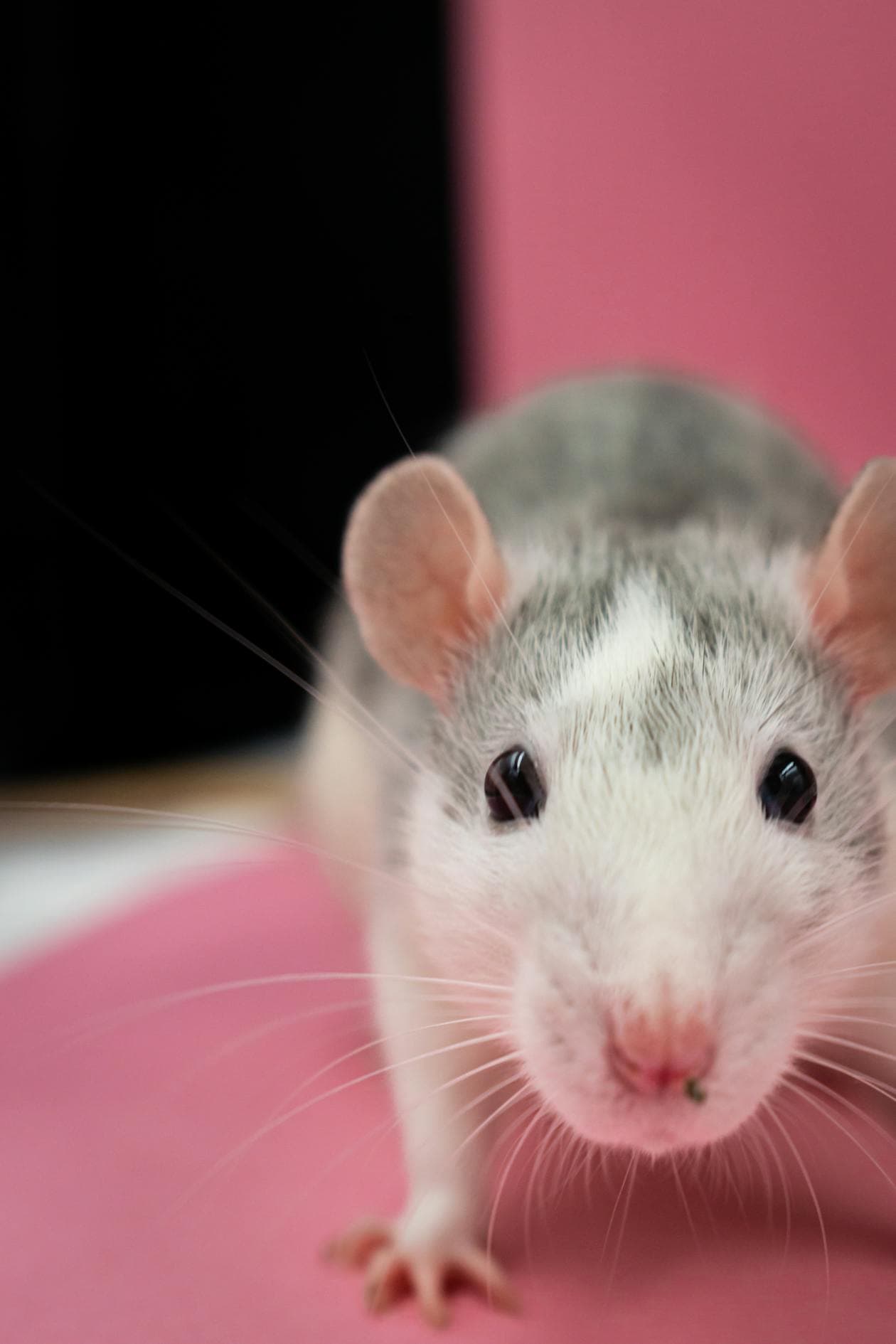
Rodent Control in Washington
Rats and mice carry over 35 diseases, chew through electrical wiring (a leading cause of house fires), and reproduce fast. One pair can produce 2,000 descendants in a year.
Common species treated
- Norway rats
- Roof rats
- House mice
- Deer mice
Starting price
Starts as low as
$129
for initial inspection plus trap and bait setup
Final cost depends on home size, infestation severity, and treatment method. Free inspection determines exact pricing — no obligation to book. See FAQ below for details.
Rodent Control for Washington, DC homeowners
Across Washington, D.C. — from Georgetown to Bethesda — homeowners face real rodent pressure. Washington's climate — long humid summers and mild winters extend the breeding season for most pests — combined with Washington, D.C.'s housing density and landscaping creates the kind of conditions rodents thrive in. Local technicians know which species are most active in District of Columbia, where they harbor in homes built for this region, and what treatment approach delivers lasting results in Washington, D.C.'s specific environment.
What makes Washington different
DC's combination of historic brick rowhouses, federal buildings, and the Potomac and Anacostia river systems produces persistent pest pressure year-round. Norway rats are an ongoing public health priority — DC's rat density rivals NYC's per square mile in some neighborhoods. Bed bugs in older apartment stock around Dupont Circle and Adams Morgan and termites in suburbs from Bethesda to Alexandria are continuing concerns for residents.
Rodents in Washington: what to know
In Washington, rodent activity is heaviest year-round due to mild temperatures, with breeding spikes in spring and fall. Termite swarm season runs March-May, mosquitoes peak June-September, and cockroach activity is heaviest in summer — but mild winters mean no pest is fully dormant any month of the year.
Top pest pressures in the Washington, D.C. area
- Termites (Eastern subterranean)
- Mosquitoes
- Cockroaches
- Fire ants
Licensing & regulation in District of Columbia
In District of Columbia, structural pest control is regulated by the DC Department of Energy and Environment, Pesticides Branch (DOEE) under DCMR Title 20, Chapter 26. DC requires pesticide businesses to register with DOEE and individual applicators to be certified. Categories cover structural pest control, fumigation, and right-of-way. DC's small geographic footprint means most operators serve neighboring Maryland and Virginia under reciprocal arrangements. Washington, D.C.'s pesticide regulation is unusually environmentally focused — administered by the Department of Energy and Environment rather than agriculture — reflecting the district's urban character and lack of agricultural sector. Any technician treating your Washington home should be able to confirm their certification in writing — a licensed local pro will welcome the question.
Service areas around Washington, D.C.
Georgetown • Capitol Hill • Dupont Circle • Adams Morgan • Bethesda
Frequently asked questions about rodent control in Washington
How do I know what kind of rodent I have?
Mice droppings are small (1/4 inch) and pointed. Rat droppings are larger (1/2 to 3/4 inch) and capsule-shaped. Norway rats stay near ground level; roof rats nest in attics and rafters. A professional inspection identifies the species and entry points.
Why can't I just use traps from the store?
Traps catch rodents already inside but don't address how they're getting in. Mice can squeeze through a 1/4-inch gap; rats through a 1/2-inch gap. Without sealing entry points (exclusion work), new rodents replace the ones you trap within weeks.
How long does it take to get rid of rodents?
Initial population reduction usually happens within 7-14 days using bait stations and traps. Full elimination including exclusion (sealing entry points) typically takes 2-4 weeks. Ongoing monitoring is recommended for severe infestations.
Are rodent treatments safe for pets and kids?
Professional bait stations are tamper-resistant and placed where pets and children can't access them. Traps are placed in protected areas like wall voids and crawl spaces. We discuss safety options before any treatment begins.
What if rodents come back?
Most professional treatments include a warranty period (30-90 days standard). If activity returns, the provider re-treats at no charge. Long-term protection requires sealing all entry points, not just removing the current population.
How much does rodent control cost?
Rodent removal starts as low as $129 for initial inspection plus trap and bait setup. Final cost depends on size of your home, infestation severity, exclusion work needed (sealing entry points), and recurring monitoring requirements. Most jobs fall well below what homeowners expect. Severe infestations requiring extensive exclusion work — sealing dozens of entry points, replacing damaged insulation, repairing chewed wiring — can run higher. Your free inspection determines exact pricing before any work is scheduled — no obligation to book.
Other rodent control service areas
Rodent Control is available across our network in Washington, D.C. and surrounding regional cities. Operators in each area treat the same rodent pressures.
Other pest services in Washington
Dealing with more than one pest issue at the same address? Local operators in Washington, D.C. treat the full range.
Pest Control in Washington
From termites and rodents to bed bugs and roaches — every pest has a different treatment, and getting it wrong wastes money. Local pros identify what you're dealing with and treat it right the first time.
See pest control →
Local bed bug exterminators in Washington
Bed bugs spread fast and survive without feeding for over a year. DIY treatments almost always fail and let the infestation grow worse.
See bed bug exterminator →
Washington mosquito control pros
Mosquitoes carry West Nile virus, Zika, EEE, and dengue. Beyond disease risk, an active mosquito population makes your yard unusable from dusk until dawn.
See mosquito control →
Cockroach Extermination services for Washington homeowners
Cockroaches trigger asthma attacks, contaminate food with salmonella and E. coli, and reproduce so fast that for every one you see, dozens more are hidden in walls and appliances.
See cockroach extermination →
Ant Control in Washington
Most ant species are nuisance pests, but carpenter ants damage wood like termites and fire ants deliver painful stings. Killing the trail you see does nothing to the colony of 50,000+ underground.
See ant control →
Local bee & wasp pros in Washington
Bees, wasps, hornets, and yellow jackets cause more emergency room visits than any other household pest — anaphylaxis risk, swarm response when nests are disturbed, and aggressive defense of nests near doorways and decks. Licensed local operators treat all stinging insects with safety and pollinator awareness, using professional-grade equipment for nest assessment, treatment, and removal.
See bee & wasp removal →
Washington flea exterminators
Flea infestations multiply fast and spread across the entire home — eggs and larvae embed in carpet fibers, upholstery, pet bedding, and yard soil long before adult fleas are visible on pets. Licensed local operators apply professional Insect Growth Regulators (IGRs) plus adulticides across all four life stages (eggs, larvae, pupae, adults) for elimination DIY treatments rarely achieve.
See flea control →
Ready to deal with your rodents in Washington?
Our network is answering calls right now. Free inspection, no obligation, available 24/7.
Free referral — calls connect to a licensed local provider.