Bed Bug Exterminator — Connect to a Licensed Local Bed bug exterminator
Bed bugs spread fast and survive without feeding for over a year. DIY treatments almost always fail and let the infestation grow worse.
If you've found bites in lines or clusters, blood spots on sheets, or live bugs in mattress seams, you need professional heat or chemical treatment now. Bed bugs travel and multiply every day you delay.
Free referral — calls connect to a licensed local provider.
- Licensed local operators
- Free inspection
- Available 24/7
- No obligation
How it works
- 1
Call now
Talk to a local licensed technician — no menus, no hold music.
- 2
Free inspection
Honest assessment of what you're dealing with and what treatment fits.
- 3
Fast scheduling
Most appointments confirmed within 24 hours; same-day available when operators have capacity.
Why call us for bed bug exterminator?
Local technicians
Licensed pros who know your area's homes and which bed bug species are most active locally.
Free inspection
No-cost, no-obligation home assessment. You see exactly what's going on before any treatment is scheduled.
Fast scheduling
Most appointments confirmed within 24 hours. Same-day often available depending on operator capacity in your area.
Treatment guarantees
If the problem returns inside the warranty period, your provider re-treats at no charge.
Why this matters
The cost of waiting on bed bugs
Bed bugs spread fast and survive without feeding for over a year. DIY treatments almost always fail and let the infestation grow worse.
If you've found bites in lines or clusters, blood spots on sheets, or live bugs in mattress seams, you need professional heat or chemical treatment now. Bed bugs travel and multiply every day you delay.
Free referral — calls connect to a licensed local provider.
- Bites cause itching, allergic reactions, and sleep loss
- Spread quickly through walls to neighboring rooms or units
- Can survive 12+ months without a blood meal
- DIY treatments rarely eliminate the entire population
Reference: EPA: Bed Bugs Information (U.S. Environmental Protection Agency).
Bed Bug Exterminator services
Licensed local operators handle every common bed bug situation, from quick spot treatments to full-home elimination programs.
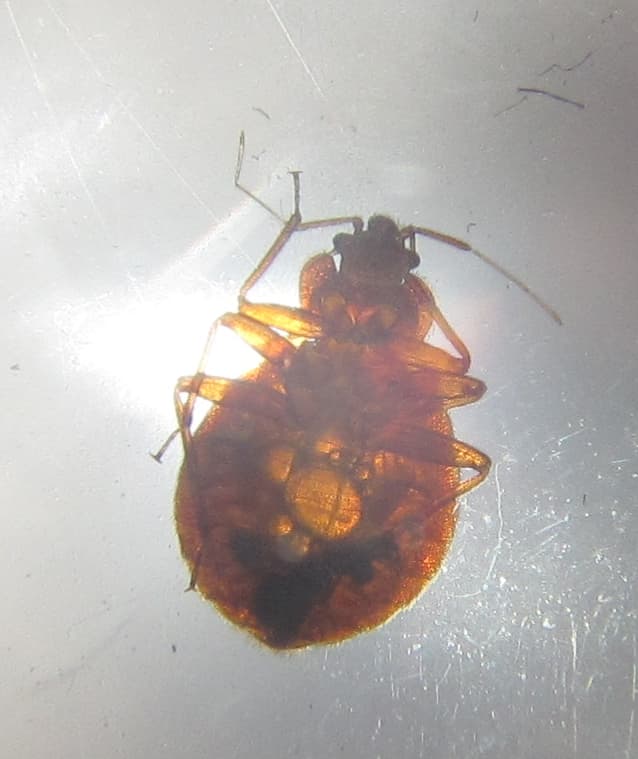
Bed Bug Exterminator
Bed bugs spread fast and survive without feeding for over a year. DIY treatments almost always fail and let the infestation grow worse.
Common species treated
- Common bed bug (Cimex lectularius)
- Tropical bed bug (Cimex hemipterus)
Starting price
Starts as low as
$149
for single-room treatment
Final cost depends on home size, infestation severity, and treatment method. Free inspection determines exact pricing — no obligation to book. See FAQ below for details.
Bed bug infestations are uniquely difficult among household pests. Bed bugs are blood feeders that hide in tiny crevices, lay eggs that are nearly impossible to see, and have evolved widespread pesticide resistance over the past two decades. They spread between rooms, between apartments, and between buildings — typically through luggage, used furniture, and shared walls in multi-unit housing. DIY treatment fails in over 90% of moderate to severe infestations. Even professional treatment requires multiple visits and meticulous preparation. The good news: when treated correctly with heat or a rotating chemical protocol, bed bug infestations are completely eliminable. The bad news: every week you delay calling a professional, the infestation expands and the eventual cost climbs.
How to tell if you have bed bugs
Bed bugs are small (1/4 inch when full-grown), reddish-brown, and apple-seed-shaped. The clearest signs are: live bugs in mattress seams, box-spring corners, and headboard crevices; small dark spots (digested blood) on sheets, pillowcases, or mattress fabric; shed exoskeletons (translucent shells) along bed frames or in seams; and bites in straight lines or clusters on exposed skin (arms, neck, legs). Bed bug bites can appear hours or days after feeding, so the absence of immediate bites doesn't rule out an infestation. A musty, sweet odor in the bedroom is another sign of established populations. If you suspect bed bugs but can't find evidence visually, K9 inspections by trained scent-detection dogs are highly accurate — many professional providers offer this as a separate service.
Where bed bugs hide in your home
Bed bugs hide within 5-8 feet of where humans sleep — that's the radius of their nightly feeding behavior. Primary hiding spots include mattress seams (especially button tucks and edge welts), box-spring corners and the underside of the box-spring fabric, headboard crevices, the joints of bed frames, behind wall outlets near the bed, in nightstand drawer joints, and inside electrical outlets and switch plates near the bed. In severe infestations, bed bugs migrate beyond the bedroom — into adjacent rooms, behind baseboards, in upholstered furniture, in luggage, and even inside picture frames on bedroom walls. Apartment buildings often see bed bugs spread between units through shared walls, electrical conduits, and plumbing voids. Inspection requires looking in all of these locations, not just the bed.
Heat treatment versus chemical treatment versus combined approach
Three treatment methods are standard for bed bugs, each with tradeoffs. Heat treatment raises the entire room or home to 120-140°F for 4-8 hours, killing bed bugs at all life stages including eggs in a single visit. It's the fastest and most thorough method but is the most expensive. Chemical treatment uses targeted insecticide applications to crevices, voids, and harborage areas; it's less expensive but requires 2-3 visits over 4-6 weeks because eggs are not affected by most insecticides and continue to hatch. Combined approach uses heat for primary kill plus residual chemical applications to address any survivors and prevent reinfestation. K9 inspections (scent-detection dogs) are sometimes used to confirm elimination 2-4 weeks after treatment. Some pesticide-resistant populations, especially in major cities, require non-pyrethroid insecticide rotations to overcome resistance.
Our bed bug extermination process
Professional bed bug treatment starts with a thorough inspection — bedrooms, adjacent rooms, upholstered furniture, all hiding zones within the bed bug travel radius. The technician identifies the infestation severity (number of live bugs and eggs found), evaluates whether the home is appropriate for heat treatment (some materials are heat-sensitive), and provides a preparation checklist for the homeowner before treatment day. Treatment day involves either heat (rooms are sealed and heated for several hours while you're away) or chemical application (targeted spraying to crevices, voids, and harborage areas, plus dust applications inside wall voids). Follow-up visits at 2 and 4 weeks confirm elimination — chemical treatments require these follow-ups because eggs continue hatching for 10-14 days after the initial application. Most providers offer a 30-90 day warranty after the final follow-up.
How long does bed bug treatment take?
Heat treatment is usually completed in a single 6-8 hour day. The home is unoccupied during heating; pets must be removed; heat-sensitive items (electronics, candles, certain plastics) are flagged in advance. After treatment, the home can be re-occupied the same day. Chemical treatment requires 2-3 visits over 4-6 weeks. The initial application kills active bed bugs, but eggs continue to hatch for 10-14 days afterward — follow-up visits address newly hatched bugs before they can lay more eggs. Combined heat-plus-chemical treatments typically include the initial heat day plus one or two follow-up chemical visits at 2 and 4 weeks. Total elimination timeline: 1 day for heat-only, 4-6 weeks for chemical-only, 2-4 weeks for combined approach. K9 confirmation inspections (when used) are scheduled 4-6 weeks after the final treatment.
How much does a bed bug exterminator cost?
Bed bug treatment starts as low as $149 for single-room treatment of a localized infestation. Final cost depends heavily on the number of rooms affected, treatment method, and whether multiple visits are required. Whole-home chemical treatment typically runs $800-$2,500 depending on home size. Whole-home heat treatment runs $1,500-$4,000+ — heat is the most thorough method and often eliminates infestations in a single visit, which is why many homeowners choose it despite the higher upfront cost. Severe whole-home infestations requiring multiple treatments can exceed $5,000. Apartment buildings often have unique pricing because treatment requires coordination with neighboring units to prevent cross-infestation. K9 inspection (when offered separately) typically runs $250-$500. Most reputable providers offer free inspections that determine the appropriate treatment scope and pricing before any work begins. Financing is common for larger jobs because bed bug emergencies don't wait for budget cycles.
Talk to a bed bug exterminator now
Free inspection, no obligation. Operators answering 24/7.
Free referral — calls connect to a licensed local provider.
24-hour and emergency bed bug service
Bed bug emergencies are real. Active bites overnight, visible bugs in beds, infestations spreading to additional rooms, and apartment-building situations where neighboring units are affected all warrant same-day or next-day response. The rationale is biological: female bed bugs lay 1-5 eggs per day, and a single fertilized female can produce 500+ offspring over her lifetime. Every week of delay roughly doubles the population in active infestations. Same-day inspection is often available; treatment scheduling depends on the chosen method (heat treatments require setup that may push to next-day). Hotel and short-term-rental bed bug emergencies are common in tourist markets — providers serving Las Vegas, NYC, Orlando, and other high-tourism cities often have specialized hospitality protocols. Standard infestations can be scheduled at the homeowner's convenience.
Preparing your home for bed bug treatment
Bed bug treatment effectiveness depends heavily on homeowner preparation. Standard prep includes washing all bedding, clothing, and curtains in hot water (120°F+) and drying on the highest heat setting for 30+ minutes — heat kills bed bugs and eggs in fabric. Items that can't be washed should be sealed in plastic bags for 4-6 weeks (chemical treatment) or treated separately. The homeowner should pull beds away from walls, remove items from under the bed, and empty closet floors and dresser bottoms so the technician can access all harborage areas. For heat treatment, additional prep includes removing heat-sensitive items (electronics, candles, oils, alcohol-based products, pets, plants). Each provider supplies a specific prep checklist; following it precisely is the difference between successful treatment and partial elimination that requires expensive re-treatment.
Bed bug prevention after treatment
After bed bug elimination, prevention focuses on three things: avoiding re-introduction, monitoring for early detection, and acting fast if signs return. Avoid bringing in used furniture, mattresses, or upholstered items without inspection — much of the bed bug spread in the US traces back to discarded furniture pulled from curbs. When traveling, inspect hotel rooms (mattress seams, headboard, luggage rack) before unpacking and store luggage off the floor. Use bed bug interceptor cups under bed legs as ongoing monitoring; they trap bed bugs traveling toward the bed. Mattress and box-spring encasements seal in any survivors and prevent re-infestation in the bed itself. After treatment, check sleeping areas weekly for the first month for any signs of returning activity — if anything appears, call your provider during the warranty period for re-treatment.
Why choose a professional over DIY
DIY bed bug treatment fails in over 90% of moderate to severe cases. The reasons are consistent: store-bought sprays don't kill bed bug eggs, so populations rebound within 2 weeks; bed bugs hide in crevices that DIY application doesn't reach; bed bug populations in many US cities have evolved resistance to common pyrethroid insecticides sold to consumers; and homeowners typically can't reach (and often don't know to inspect) the full harborage radius around the bed. The cost of failed DIY treatment is severe: the infestation expands during the failed treatment period, requiring more aggressive (and more expensive) professional treatment when the homeowner finally calls for help. For any bed bug situation beyond a single isolated bug found in luggage, professional treatment is faster, more reliable, and almost always less expensive in total cost than repeated DIY attempts.
Frequently asked questions about bed bug exterminator in Your Area
How do I know if I have bed bugs?
Look for small reddish-brown bugs (about apple seed sized) in mattress seams, box springs, and headboards. Other signs: dark spots on sheets (digested blood), shed exoskeletons, a sweet musty odor, and bites in straight lines or clusters on exposed skin.
Can I treat bed bugs myself?
DIY treatments fail in over 90% of moderate to severe infestations. Bed bugs hide in tiny crevices that store-bought sprays can't reach, and many populations have developed pesticide resistance. Professional heat treatment (140°F+) and targeted chemical applications are the proven methods.
How long does bed bug treatment take?
Heat treatments take 6-8 hours and often eliminate bed bugs in a single visit. Chemical treatments require 2-3 visits over 4-6 weeks to break the egg-laying cycle. Most providers offer warranties on professional treatment.
Do I have to throw out my mattress?
Usually no. A professional can treat your mattress with heat or use mattress encasements to trap and starve any remaining bugs. Replacing furniture before treatment is a waste — new furniture brought into an active infestation will also become infested.
How did I get bed bugs?
Bed bugs are hitchhikers, not a sign of dirty homes. They spread through luggage from hotels, secondhand furniture, public transportation, and shared walls in apartment buildings. Even five-star hotels have bed bug incidents regularly.
How much does a bed bug exterminator cost?
Bed bug treatment starts as low as $149 for single-room treatment of a localized infestation. Final cost depends on number of rooms affected, treatment method (heat vs. chemical), severity of infestation, and follow-up visit requirements. Most jobs fall well below what homeowners expect. Whole-home chemical treatment typically runs $800-$2,500; whole-home heat treatment runs $1,500-$4,000+. Your free inspection determines exact pricing before any work is scheduled — no obligation to book.
Featured service areas for bed bug exterminator
These are the metros with the heaviest local pest pressure for bed bugsand the most active operator coverage. Your city doesn't need to be listed — operators answer nationwide.
Don't see your city?
Our operator network covers homeowners nationwide. Call any time — we route directly to a licensed local bed bug exterminator in your area.
Free referral — calls connect to a licensed local provider.
Ready to deal with your bed bugs?
Our network is answering calls right now. Free inspection, no obligation, available 24/7.
Free referral — calls connect to a licensed local provider.