Mosquito Control in Charlotte, NC
Connect to licensed North Carolina mosquito control pros 24/7. Free inspections. Same-day often available.
Professional treatment, fast results.
Free referral — calls connect to a licensed local provider.
- Licensed local operators
- Free inspection
- Available 24/7
- No obligation
How it works
- 1
Call now
Talk to a local licensed technician — no menus, no hold music.
- 2
Free inspection
Honest assessment of what you're dealing with and what treatment fits.
- 3
Fast scheduling
Most appointments confirmed within 24 hours; same-day available when operators have capacity.
Why call us for mosquito control in Charlotte?
Local technicians
Licensed pros who know Charlotte homes and which mosquito species are active in North Carolina.
Free inspection
No-cost, no-obligation home assessment. You see exactly what's going on before any treatment is scheduled.
Fast scheduling
Most Charlotte appointments are confirmed within 24 hours. Same-day often available depending on operator capacity in your area.
Treatment guarantees
If the problem returns inside the warranty period, your provider re-treats at no charge.
Why this matters
The cost of waiting on mosquitoes
Mosquitoes carry West Nile virus, Zika, EEE, and dengue. Beyond disease risk, an active mosquito population makes your yard unusable from dusk until dawn.
If your patio is unusable in the evening, your kids can't play outside, or you're seeing standing water that attracts mosquitoes, professional treatment knocks down the population fast and keeps it down.
Free referral — calls connect to a licensed local provider.
- Vector for West Nile, Zika, EEE, and dengue fever
- Cause itching, allergic reactions, and bite-related infections
- Hundreds of larvae develop in just an inch of standing water
- Make outdoor spaces unusable in summer months
Reference: CDC: About Mosquitoes (U.S. Centers for Disease Control and Prevention).
Mosquito Control services in Charlotte
Local technicians handle every common mosquito situation in Charlotte, from quick spot treatments to full-home elimination programs.
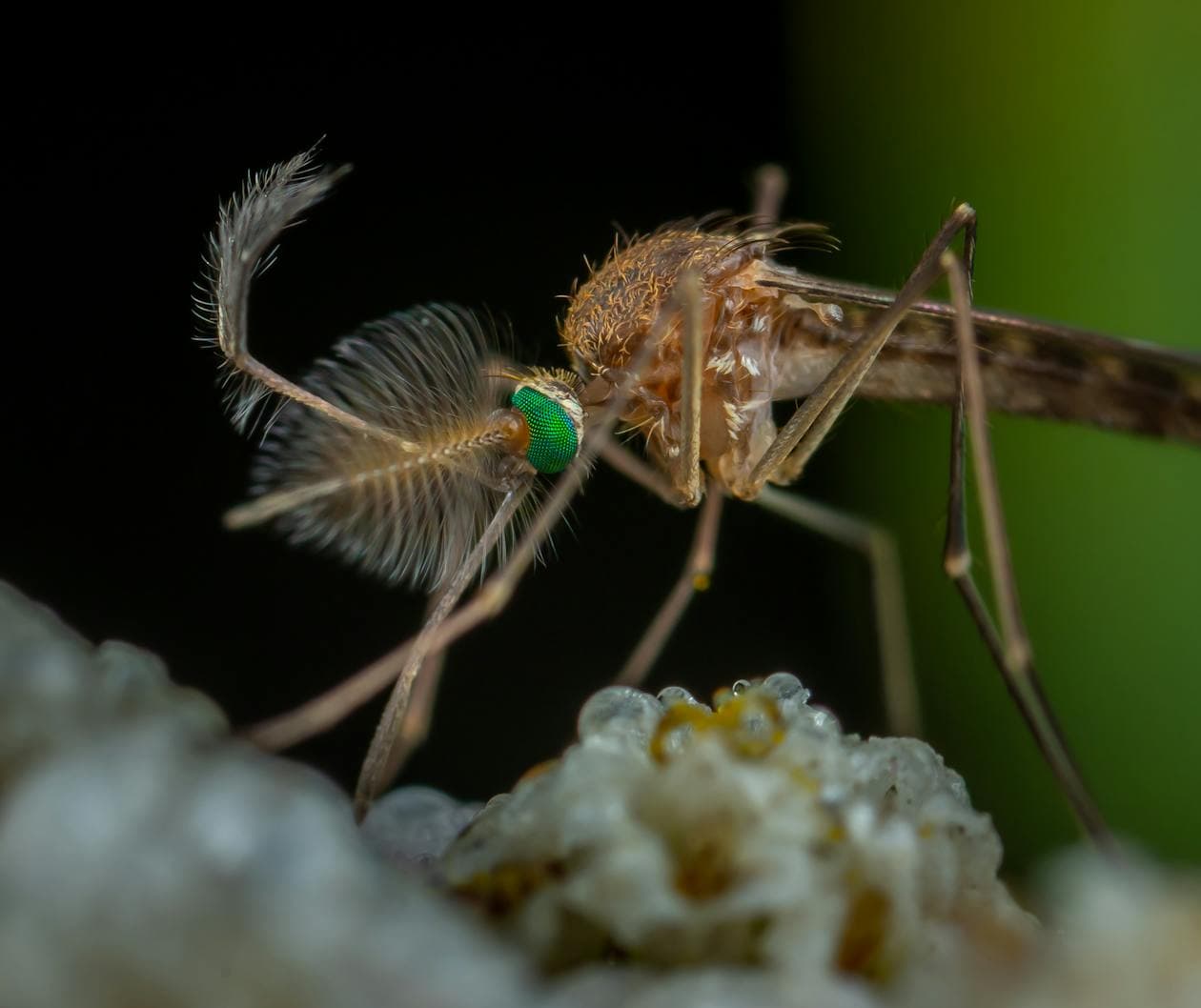
Mosquito Control in Charlotte
Mosquitoes carry West Nile virus, Zika, EEE, and dengue. Beyond disease risk, an active mosquito population makes your yard unusable from dusk until dawn.
Common species treated
- Asian tiger mosquito
- House mosquito
- Yellow fever mosquito
- Common malaria mosquito
Starting price
Starts as low as
$59
for per yard treatment
Final cost depends on home size, infestation severity, and treatment method. Free inspection determines exact pricing — no obligation to book. See FAQ below for details.
Mosquito Control for Charlotte, NC homeowners
Charlotte homeowners in Uptown, South End, and surrounding neighborhoods face real mosquito pressure. Charlotte's climate — long humid summers and mild winters extend the breeding season for most pests — combined with Charlotte's housing density and landscaping creates the kind of conditions mosquitoes thrive in. Local technicians know which species are most active in North Carolina, where they harbor in homes built for this region, and what treatment approach delivers lasting results in Charlotte's specific environment.
Part of our nationwide mosquito control network.
What makes Charlotte different
Charlotte's mix of established neighborhoods like Dilworth and Myers Park alongside rapidly growing southern suburbs produces varied pest pressure. Eastern subterranean termites are the dominant structural threat across the Carolinas, and carpenter ants are particularly active in the Piedmont's wooded suburbs. Mosquito pressure is heavy May through October across the metro, and brown recluse spiders — uncommon outside the southeast — occasionally appear in older basements.
Mosquitoes in Charlotte: what to know
Mosquito pressure in Charlotte follows the local climate cycle: termite swarm season runs March-May, mosquitoes peak June-September, and cockroach activity is heaviest in summer — but mild winters mean no pest is fully dormant any month of the year. If you're in Charlotte and your yard has standing water, dense vegetation, or shaded mulch beds, expect mosquitoes to breed continuously through the warm months. Professional barrier treatments knock down adult populations and keep them down between treatments.
Top pest pressures in the Charlotte area
- Termites (Eastern subterranean)
- Mosquitoes
- Cockroaches
- Fire ants
Licensing & regulation in North Carolina
In North Carolina, structural pest control is regulated by the North Carolina Department of Agriculture and Consumer Services, Structural Pest Control Section (NCDA&CS) under North Carolina General Statutes Chapter 106, Article 4C. North Carolina uses a three-phase system: Phase P (Household pests including cockroaches, ants, rodents — excluding fumigation), Phase W (Wood-destroying organisms including termites and powderpost beetles), and Phase F (Fumigation). Licensees must qualify as Certified Applicators with two years of documented experience in each phase. North Carolina's structural pest control licenses run on a five-year cycle (July 1 to June 30) and have reciprocity agreements only with Kentucky, South Carolina, Tennessee, and Virginia. Any technician treating your Charlotte home should be able to confirm their certification in writing — a licensed local pro will welcome the question.
Service areas around Charlotte
Uptown • South End • Ballantyne • Dilworth • Myers Park
Frequently asked questions about mosquito control in Charlotte
How long does mosquito treatment last?
Most barrier treatments provide 21-30 days of reduction. Seasonal plans typically include treatments every 3 weeks from spring through fall, providing continuous coverage during peak mosquito season.
Are mosquito treatments safe for kids and pets?
Yes — once the application has dried (usually 30 minutes), the yard is safe for kids and pets. Treatments target adult mosquitoes resting in vegetation and use products approved for residential use.
Will treatment kill bees and butterflies?
Reputable providers apply mosquito treatments to non-flowering vegetation, avoiding flowers where pollinators feed. Treatments are applied in early morning or evening when bees are less active. Discuss any pollinator concerns with your provider before service.
Do I need ongoing treatment?
Mosquitoes are a recurring problem — new populations breed continuously throughout warm months. Most homeowners see best results with monthly treatments April through October. One-time treatments work for events but don't provide lasting control.
What can I do between treatments?
Eliminate standing water (gutters, flowerpots, bird baths, kid toys), trim dense vegetation, fix leaky outdoor faucets, and ensure window screens are intact. Even a bottle cap of water can breed dozens of mosquitoes.
How much does mosquito control cost?
Mosquito control starts as low as $59 per yard treatment. Final cost depends on yard size, vegetation density, presence of standing water, and seasonal vs. one-time service. Most jobs fall well below what homeowners expect. Seasonal plans (typically 6-8 treatments April through October) usually run $400-$800 for full yard coverage and provide better continuous control than one-off treatments. Your free inspection determines exact pricing before any work is scheduled — no obligation to book.
Other mosquito control service areas
Mosquito Control is available across our network in Charlotte and surrounding regional cities. Operators in each area treat the same mosquito pressures.
Other pest services in Charlotte
Dealing with more than one pest issue at the same address? Local operators in Charlotte treat the full range.
Pest Control in Charlotte
From termites and rodents to bed bugs and roaches — every pest has a different treatment, and getting it wrong wastes money. Local pros identify what you're dealing with and treat it right the first time.
See pest control →
Local termite inspectors in Charlotte
Termites cause more damage to U.S. homes every year than fires and storms combined. Most homeowners insurance does not cover the repairs.
See termite control →
Charlotte bed bug exterminators
Bed bugs spread fast and survive without feeding for over a year. DIY treatments almost always fail and let the infestation grow worse.
See bed bug exterminator →
Rodent Control services for Charlotte homeowners
Rats and mice carry over 35 diseases, chew through electrical wiring (a leading cause of house fires), and reproduce fast. One pair can produce 2,000 descendants in a year.
See rodent control →
Cockroach Extermination in Charlotte
Cockroaches trigger asthma attacks, contaminate food with salmonella and E. coli, and reproduce so fast that for every one you see, dozens more are hidden in walls and appliances.
See cockroach extermination →
Local ant exterminators in Charlotte
Most ant species are nuisance pests, but carpenter ants damage wood like termites and fire ants deliver painful stings. Killing the trail you see does nothing to the colony of 50,000+ underground.
See ant control →
Charlotte bee & wasp pros
Bees, wasps, hornets, and yellow jackets cause more emergency room visits than any other household pest — anaphylaxis risk, swarm response when nests are disturbed, and aggressive defense of nests near doorways and decks. Licensed local operators treat all stinging insects with safety and pollinator awareness, using professional-grade equipment for nest assessment, treatment, and removal.
See bee & wasp removal →
Flea Control services for Charlotte homeowners
Flea infestations multiply fast and spread across the entire home — eggs and larvae embed in carpet fibers, upholstery, pet bedding, and yard soil long before adult fleas are visible on pets. Licensed local operators apply professional Insect Growth Regulators (IGRs) plus adulticides across all four life stages (eggs, larvae, pupae, adults) for elimination DIY treatments rarely achieve.
See flea control →
Ready to deal with your mosquitoes in Charlotte?
Our network is answering calls right now. Free inspection, no obligation, available 24/7.
Free referral — calls connect to a licensed local provider.