Ant Control in Denver, CO
Connect to licensed Colorado ant exterminators 24/7. Free inspections. Same-day often available.
Professional treatment, fast results.
Free referral — calls connect to a licensed local provider.
- Licensed local operators
- Free inspection
- Available 24/7
- No obligation
How it works
- 1
Call now
Talk to a local licensed technician — no menus, no hold music.
- 2
Free inspection
Honest assessment of what you're dealing with and what treatment fits.
- 3
Fast scheduling
Most appointments confirmed within 24 hours; same-day available when operators have capacity.
Why call us for ant control in Denver?
Local technicians
Licensed pros who know Denver homes and which ant species are active in Colorado.
Free inspection
No-cost, no-obligation home assessment. You see exactly what's going on before any treatment is scheduled.
Fast scheduling
Most Denver appointments are confirmed within 24 hours. Same-day often available depending on operator capacity in your area.
Treatment guarantees
If the problem returns inside the warranty period, your provider re-treats at no charge.
Why this matters
The cost of waiting on ants
Most ant species are nuisance pests, but carpenter ants damage wood like termites and fire ants deliver painful stings. Killing the trail you see does nothing to the colony of 50,000+ underground.
Spraying the trail kills 1% of the colony. The queen keeps laying eggs. Professional treatment uses bait the workers carry back, eliminating the entire colony — including the queen.
Free referral — calls connect to a licensed local provider.
- Carpenter ants tunnel through structural wood
- Fire ants deliver painful stings; some people have severe allergic reactions
- Pharaoh ants spread bacteria in food and hospitals
- Trails contaminate kitchen surfaces and pantry items
Reference: EPA: General Ant Information (U.S. Environmental Protection Agency).
Ant Control services in Denver
Local technicians handle every common ant situation in Denver, from quick spot treatments to full-home elimination programs.
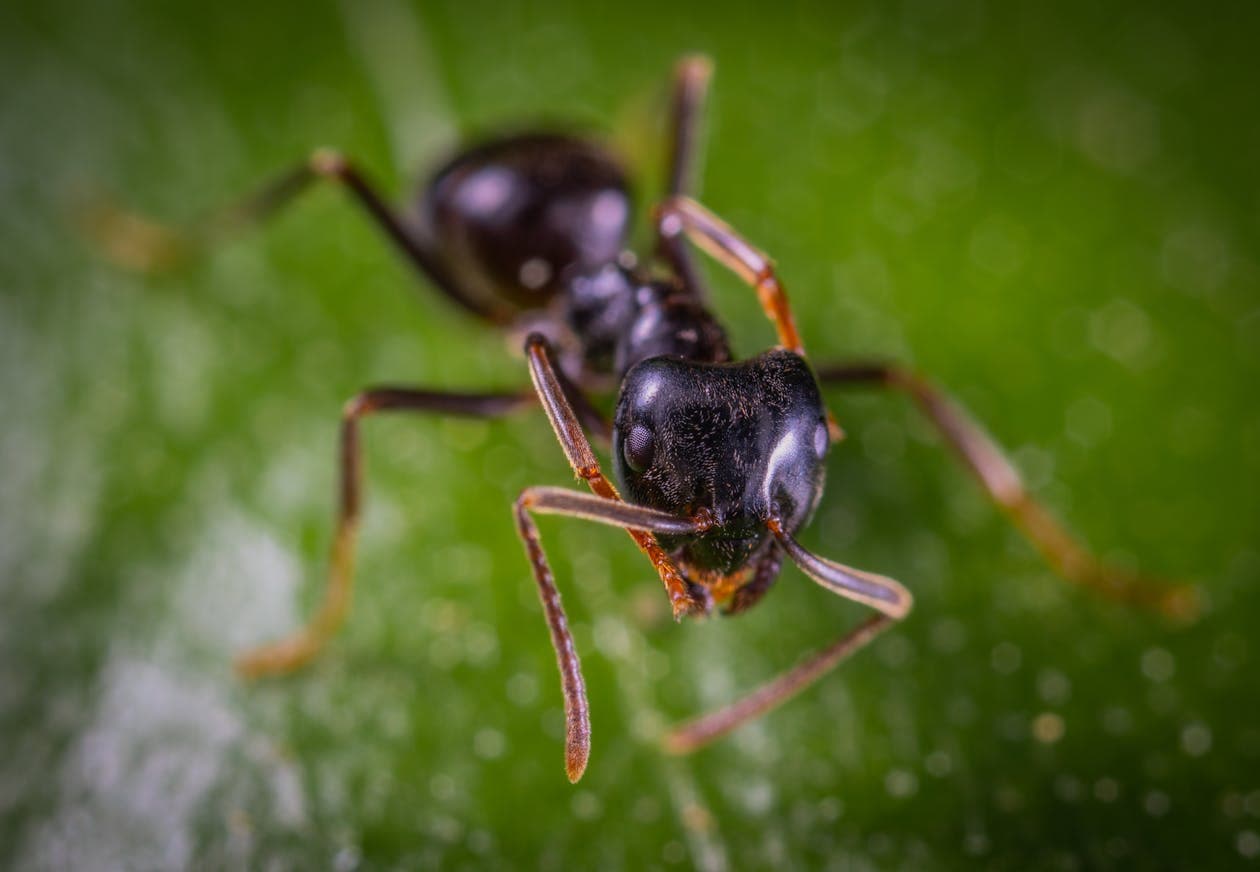
Ant Control in Denver
Most ant species are nuisance pests, but carpenter ants damage wood like termites and fire ants deliver painful stings. Killing the trail you see does nothing to the colony of 50,000+ underground.
Common species treated
- Odorous house ants
- Carpenter ants
- Fire ants
- Pavement ants
- Pharaoh ants
Starting price
Starts as low as
$69
for initial service
Final cost depends on home size, infestation severity, and treatment method. Free inspection determines exact pricing — no obligation to book. See FAQ below for details.
Ant Control for Denver, CO homeowners
Whether you're in LoDo, Highlands, or anywhere in Denver, you face real ant pressure. Denver's climate — dry climate with seasonal moisture spikes creates surge breeding conditions — combined with Denver's housing density and landscaping creates the kind of conditions ants thrive in. Local technicians know which species are most active in Colorado, where they harbor in homes built for this region, and what treatment approach delivers lasting results in Denver's specific environment.
What makes Denver different
Denver's high-altitude semiarid climate produces lower overall pest pressure than humid markets, but seasonal moisture spikes drive concentrated activity windows. Mice and pack rats are common fall through winter, ant pressure peaks May through September, and wasps build nests aggressively in summer. The metro's growing suburbs in Aurora and Lakewood see steady termite calls despite the regional climate, particularly in homes with irrigation-heavy landscaping.
Ants in Denver: what to know
Ant pressure in Denver is concentrated from spring through fall, with peak activity matching local moisture and temperature patterns.
Top pest pressures in the Denver area
- Mice
- Pavement ants
- Wasps
- Carpenter ants
Licensing & regulation in Colorado
In Colorado, structural pest control is regulated by the Colorado Department of Agriculture (CDA) under 8 CCR 1203-2 (Pesticide Applicators' Act Rules). Colorado defines Structural Pest Control as application of pesticides or bait stations for indoor pests including insects and rodents — excluding fumigants and wood-destroying organisms, which require separate categories (303 Structural Fumigation; separate WDO category). Commercial license categories are detailed in Part 10 of 8 CCR 1203-2. Colorado separates structural pest control from wood-destroying organism work and from structural fumigation as three distinct licensing categories — a more granular split than most western states. Any technician treating your Denver home should be able to confirm their certification in writing — a licensed local pro will welcome the question.
Service areas around Denver
LoDo • Cherry Creek • Highlands • Aurora • Lakewood
Ant species common in Denver
Denver's high-altitude semiarid climate produces lower overall ant pressure than humid markets, but several species drive consistent residential calls particularly during the warmer months.
Pavement ants
Pavement ants nest under Denver sidewalks, driveways, and foundation slabs. Small (1/16 to 1/8 inch), dark brown to black, they forage indoors for sugary and greasy foods. Treatment combines bait along active trails with perimeter applications around foundation cracks.
Carpenter ants
Carpenter ants are present across Denver pest control, typically nesting in moisture-damaged wood near plumbing leaks, irrigation, or roof problems. Black or red-and-black, 1/4 to 1/2 inch long, they excavate nesting galleries. Treatment requires locating the parent colony and addressing the underlying moisture source.
Field ants
Field ants (genus Formica) are larger ants common in Denver yards — often confused with carpenter ants but typically only an outdoor nuisance. They build mound nests in lawns and at bases of trees. Treatment is usually limited to perimeter applications when populations push toward home foundations.
Odorous house ants
Odorous house ants are common indoor invaders across Denver and emit a distinctive rotten-coconut smell when crushed. Bait-based treatment using non-repellent products is standard.
Frequently asked questions about ant control in Denver
Why do ants keep coming back after I spray them?
The trail you see is a fraction of the colony — most ants stay underground tending eggs and the queen. Spraying kills only the visible foragers; the queen keeps laying 1,500+ eggs per day. Without baiting the colony, new foragers replace the dead within hours.
How do I know if I have carpenter ants vs. regular ants?
Carpenter ants are larger (1/4 to 5/8 inch) and usually black or dark brown. Look for sawdust-like debris (frass) below baseboards, wall voids, or wooden trim. Unlike termites, carpenter ants don't eat wood — they tunnel through it. Activity at night, especially in spring, is a red flag.
How long does ant treatment take to work?
Bait-based treatments show full results in 1-3 weeks because workers must carry the bait back to the queen. You'll often see increased activity for the first few days as ants take the bait, followed by sharp decline. Spray-and-pray gets visible results faster but doesn't solve the problem.
Are fire ants different from regular ants?
Yes — fire ants are aggressive, deliver painful stings, and build large mounds in lawns. They can swarm when their nest is disturbed. Treatment usually combines targeted mound treatments with broadcast bait for full yard coverage.
Will ants come back next season?
Without ongoing prevention, yes. Many homeowners opt for quarterly perimeter treatments to prevent new colonies from establishing. One-time treatments solve the current problem but don't prevent re-infestation.
How much does ant control cost?
Ant control starts as low as $69 for initial service. Final cost depends on ant species (carpenter ants vs. nuisance species like odorous house ants), infestation location, treatment method, and recurring perimeter prevention. Most jobs fall well below what homeowners expect. Carpenter ant treatment runs higher because it usually requires locating and accessing the nest, plus moisture remediation in many cases. Your free inspection determines exact pricing before any work is scheduled — no obligation to book.
Other ant control service areas
Ant Control is available across our network in Denver and surrounding regional cities. Operators in each area treat the same ant pressures.
Other pest services in Denver
Dealing with more than one pest issue at the same address? Local operators in Denver treat the full range.
Pest Control in Denver
From termites and rodents to bed bugs and roaches — every pest has a different treatment, and getting it wrong wastes money. Local pros identify what you're dealing with and treat it right the first time.
See pest control →
Local bed bug exterminators in Denver
Bed bugs spread fast and survive without feeding for over a year. DIY treatments almost always fail and let the infestation grow worse.
See bed bug exterminator →
Denver rodent exterminators
Rats and mice carry over 35 diseases, chew through electrical wiring (a leading cause of house fires), and reproduce fast. One pair can produce 2,000 descendants in a year.
See rodent control →
Mosquito Control services for Denver homeowners
Mosquitoes carry West Nile virus, Zika, EEE, and dengue. Beyond disease risk, an active mosquito population makes your yard unusable from dusk until dawn.
See mosquito control →
Cockroach Extermination in Denver
Cockroaches trigger asthma attacks, contaminate food with salmonella and E. coli, and reproduce so fast that for every one you see, dozens more are hidden in walls and appliances.
See cockroach extermination →
Local bee & wasp pros in Denver
Bees, wasps, hornets, and yellow jackets cause more emergency room visits than any other household pest — anaphylaxis risk, swarm response when nests are disturbed, and aggressive defense of nests near doorways and decks. Licensed local operators treat all stinging insects with safety and pollinator awareness, using professional-grade equipment for nest assessment, treatment, and removal.
See bee & wasp removal →
Denver flea exterminators
Flea infestations multiply fast and spread across the entire home — eggs and larvae embed in carpet fibers, upholstery, pet bedding, and yard soil long before adult fleas are visible on pets. Licensed local operators apply professional Insect Growth Regulators (IGRs) plus adulticides across all four life stages (eggs, larvae, pupae, adults) for elimination DIY treatments rarely achieve.
See flea control →
Ready to deal with your ants in Denver?
Our network is answering calls right now. Free inspection, no obligation, available 24/7.
Free referral — calls connect to a licensed local provider.